Circular · Program
“From back-of-plant scrap
to front-door feedstock”
Every plastics plant makes production scrap: runners, start-up lumps, rejects, film edge trim. The part you cannot regrind in-house usually piles up or goes to disposal. This closed-loop scrap program invites converters with that kind of scrap to partner with ACS's Circular operation, so well-segregated scrap comes back as recycled pellets you can verify. Every term is discussed and agreed case by case.
Marketing Department, ADVANCEDCHEM SOLUTIONS CO., LTD. · 22 October 2026 · about 6 min read
What the program is and who can join
The program is open to plastics converters that buy ordinary virgin resin on the market, from any supplier. You do not need to buy resin from ACS. You need production scrap of known polymer that you can keep separate, for example:
- Injection moulding: runners and sprues, rejected parts, start-up lumps
- Extrusion and blow moulding: purgings, start-up lumps and rejects
- Film extrusion: edge trim and roll ends
The first rule has not changed: if scrap can be ground and fed back into the same machine, do that first. It is the cheapest option and needs no transport. This program is for the scrap you cannot reuse yourself: colour-change material, start-up lumps that are hard to grind, edge trim that causes gels when fed back, or volumes too large to blend back without affecting your spec.
How it works in 7 steps
Scrap travels from the partner's machines to ACS's Circular plant and comes back as pellets, or becomes feedstock for other Circular grades. Every leg is weighed and recorded.
- Apply and send scrap details Polymer and original grade, colour, monthly quantity, photos, and how the scrap is stored today.
- Evaluation and sample trial ACS reviews the details and runs a trial on a real scrap sample to see what kind of pellet that stream can become.
- Written rules Source-segregation rules (separate bins by polymer and colour, nothing else mixed in), the pickup or delivery schedule, and how the scrap is valued. All agreed case by case.
- Intake at the ACS Circular plant Every delivery is weighed and documented.
- Reprocessing at the Circular plant Sorting check, degassing, melt filtration, and formulation or re-stabilisation.
- Pellets back, or onward use Pellets returned with test results against an agreed specification (closed loop), or used in other Circular grades (open loop).
- Records for the partner Weight records of scrap diverted from landfill or incineration, plus traceability data for your own ESG reporting or customer questions.
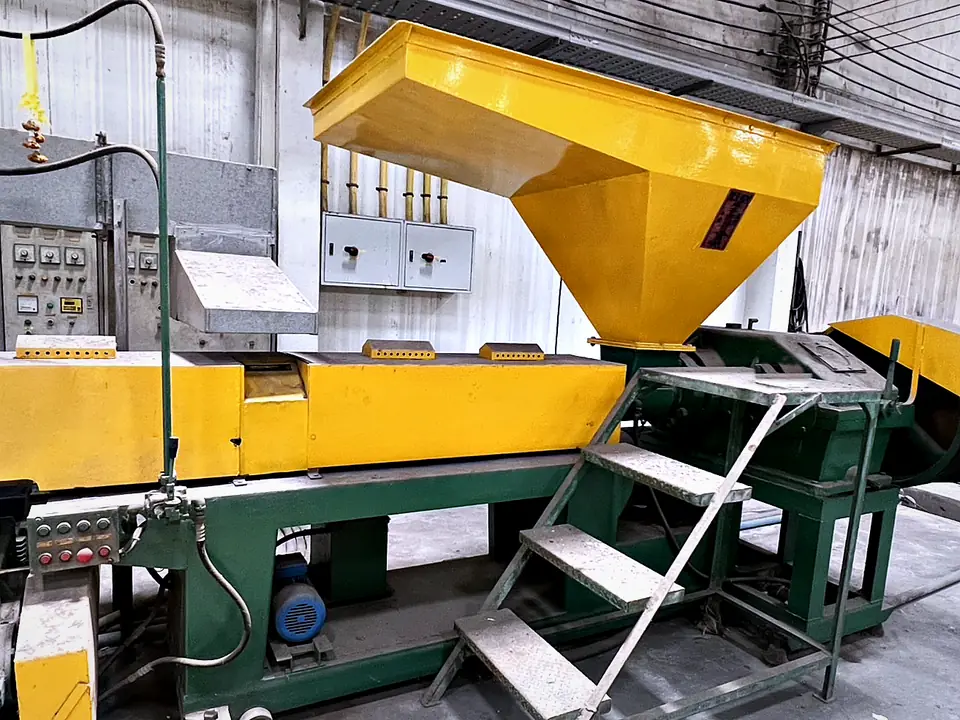
For what happens in step 5 and which properties are checked on each lot, see From flakes to pellets & lot QC.
Three ways to take part
Closed loop
Your scrap comes back as pellets for your own parts, to an agreed spec, with test results on every lot. Suits a steady stream of one polymer.
Supply your scrap
ACS takes the scrap as feedstock for its Circular grades. Suits plants that do not need pellets back but want the scrap used rather than dumped.
Mixed / offset
The value of your scrap is offset against recycled pellets or masterbatch you order from ACS.
Commercial terms for every model, including how scrap is valued, logistics, quantities and frequency, are agreed case by case in writing. That is why this page has no prices or volumes: every plant's scrap differs in polymer, cleanliness and distance.
Which scrap fits
We start with clean, single-polymer PIR, beginning with PP and PE (HDPE, LDPE/LLDPE). Other polymers are evaluated case by case.
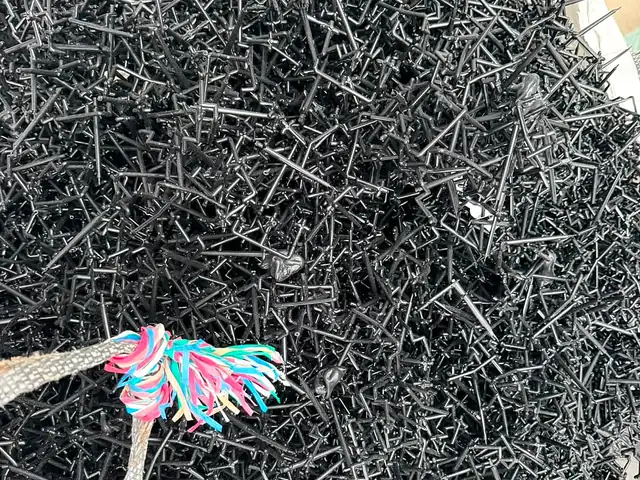
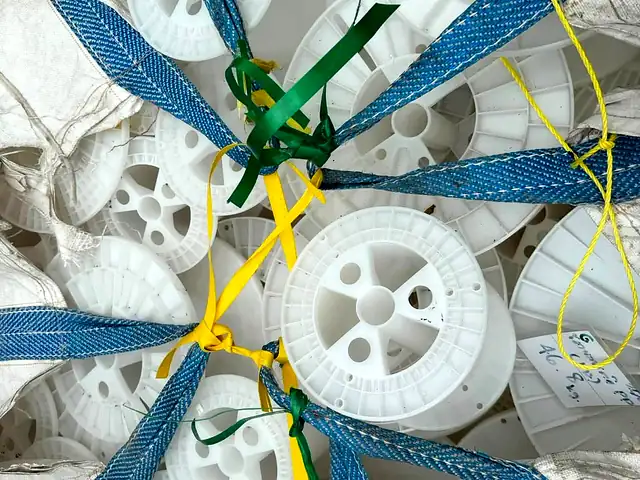
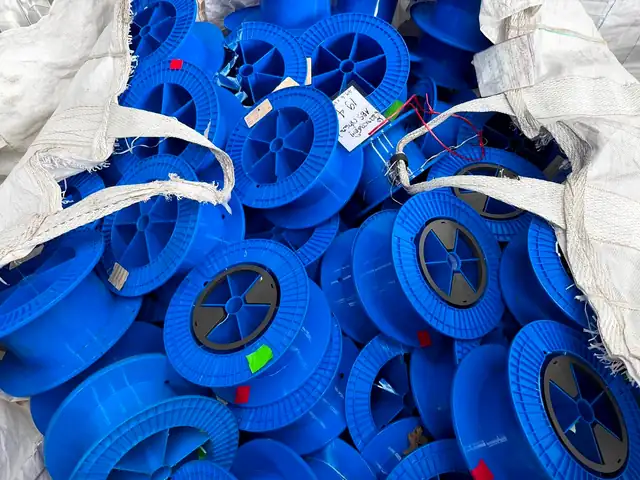
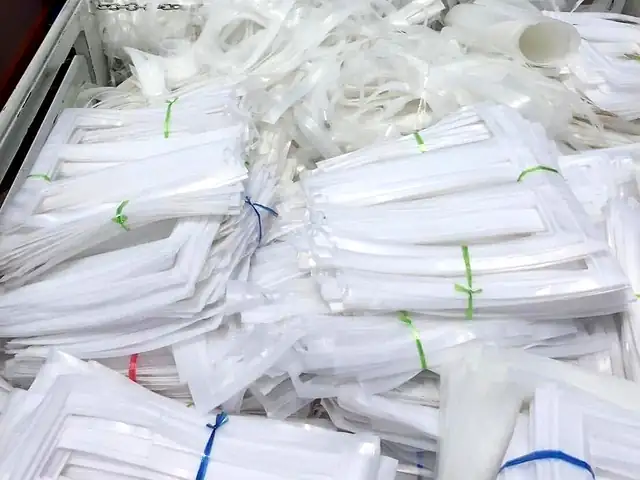
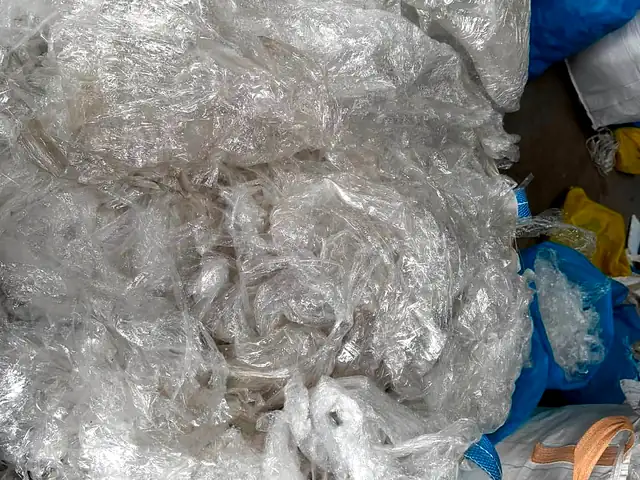
Real examples: well-segregated scrap
Scrap like this is quick to evaluate and usually passes: one polymer, one colour, clean, with a known source.
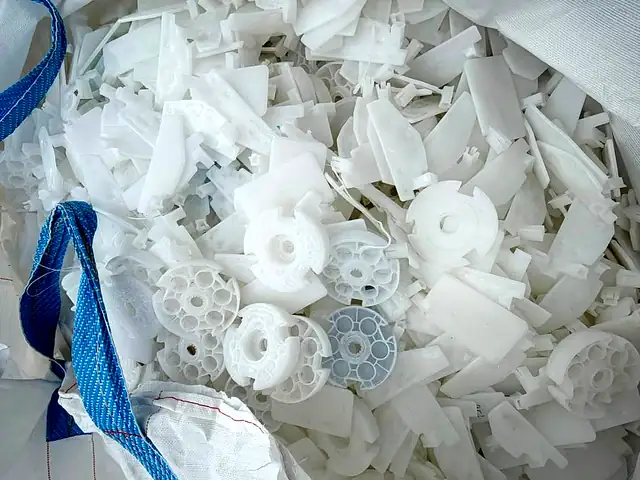
Real examples: scrap we need to discuss first
Not a "no", but we need to see a sample first, and it is usually worth less than scrap segregated at source.
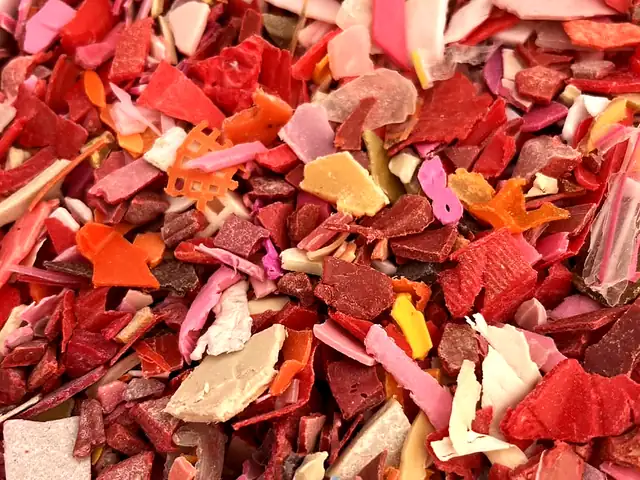
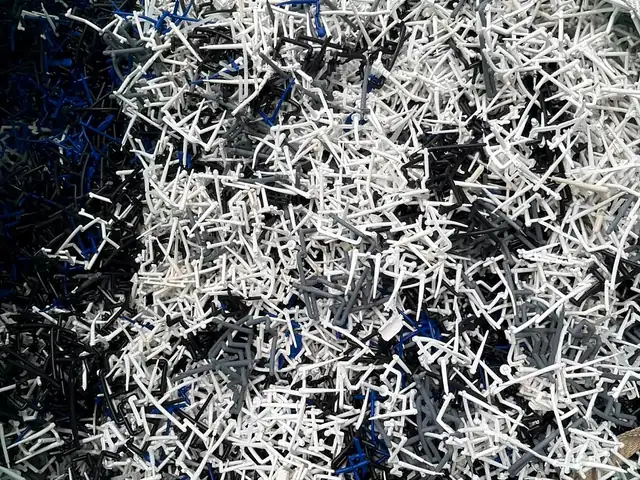
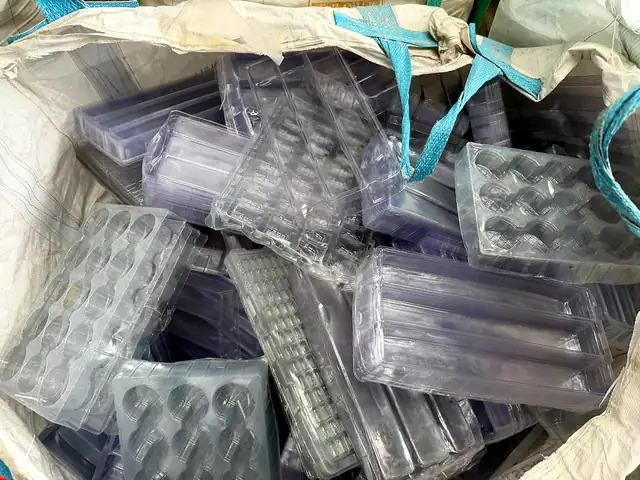
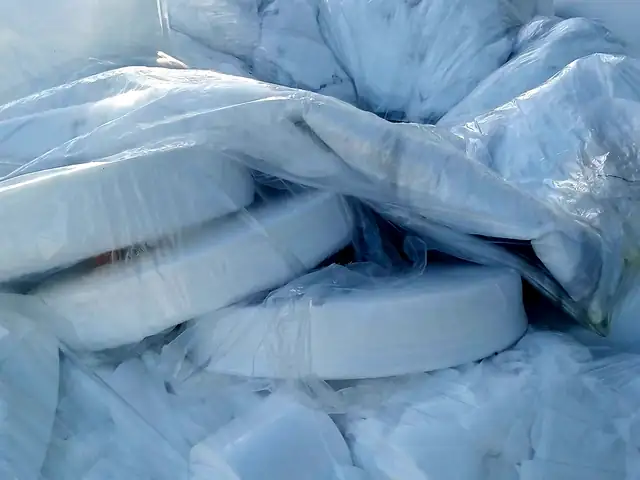
| Scrap type | Usually OK? | Notes |
|---|---|---|
| PP / PE runners, sprues and rejected parts | Yes | Keep separate by polymer, grade and colour. Remove metal inserts, labels and parts of other polymers first. |
| Single-layer PE edge trim and roll ends | Yes | Keep dry and free of dust and soil. Heavily printed film needs discussion first. |
| Start-up lumps and purgings | Sometimes | Must be one polymer. If a purging compound was used or several colours are mixed, it needs evaluation first. |
| Other polymers, e.g. PS, ABS, PET, PA | Case by case | Depends on volume, cleanliness and the end use. |
| Multilayer films and laminates | Case by case | Layers of different polymers, such as PE/PA or PE/PET, do not melt into one homogeneous material. |
| Scrap contaminated with oil, chemicals or food | No, or discuss first | Leaves odour and volatiles in the pellets and may need washing before reprocessing. |
| Scrap mixed with metal, paper or labels | No, or discuss first | Blocks melt-filter screens and makes ash content swing. Re-evaluate if it can be separated at source. |
| PVC | No | If it gets into PP / PE it degrades at extrusion temperatures and ruins the whole lot. |
Pellet quality is decided at the bin beside the machine. Separate, clearly labelled bins by polymer and colour, with lids against dust and water, do more than any sorting later on. More on sorting principles in Sorting & preparation.
What partners get
- Less scrap to store and dispose of: less floor space taken by scrap piles, and that scrap stays out of landfill and incineration.
- Part of your raw material comes back as recycled pellets: the cost effect depends on the case, including scrap value, transport and how much you can blend. Try your own numbers in the Cost-in-Use Calculator.
- Data for ESG and brand-owner questions: weight records of the scrap sent into the program and traceability data, so you can answer waste-management questions with your own plant's real figures.
- A feedstock source you know: your own scrap has a known polymer, grade and heat history, so the pellets are steadier than recyclate of unknown origin.
What to know before you join
Read before you apply
Recycled content: whether the returned pellets count as "recycled content" depends on the standard and the claim. ISO 14021 does not count material reclaimed within the same process that generated it, so closed-loop pellets that go back into the same parts may not qualify. Any claim must follow the rules your brand owner uses. ACS provides weight records and traceability data; it does not certify. See PIR vs PCR.
Capacity: Circular grades are made in ACS's own plant (up to 3,000 t/year, being expanded), so partner intake is planned within the capacity available.
Quality: pellet quality depends on segregation at source. If scrap is mixed, the pellets will be less consistent or only suitable for less demanding parts.
Terms: ACS buys or uses scrap only under a written agreement. This page does not promise free pickup, a purchase price or any intake volume.
Frequently asked questions
Do we have to buy resin from ACS to join?
No. The program is open to converters that buy virgin resin from any supplier. What you need is production scrap that can be kept separate by polymer, and the willingness to segregate it at the machine according to the rules we agree.
Can the pellets we get back be counted as recycled content on a label?
It depends on the standard and the claim. ISO 14021 does not count material reclaimed within the same process that generated it, so closed-loop pellets that go back into the same parts may not qualify as recycled content. Any claim must follow the rules your brand owner uses. ACS provides weight records and traceability data, not certification.
Does ACS collect scrap for free, or how much does it pay?
There is no fixed figure. How the scrap is valued, pickup or delivery, quantities and frequency are agreed case by case in writing, depending on polymer, cleanliness, monthly volume and distance. ACS buys or uses scrap only under a written agreement.
Our scrap is already mixed. Can we still join?
Mixed scrap is hard to separate back into clean streams, and the pellets made from it are less consistent. The effective fix is to start segregating by polymer and colour at the machine from now on. For the pile that is already mixed, send details and photos for assessment first: some may suit less demanding parts, some may not be suitable at all.
Technical caution
Let-down ratios and technical data on this page are typical reference values, not a guarantee of properties. Confirm by trial in your own process before production use.
Scrap you can't reuse? Send the details for an assessment
Tell us the polymer and grade, colour, monthly quantity and how the scrap is stored now, with photos. Our technical team will tell you which model that stream fits and how it should be segregated. No commitment.
Read next
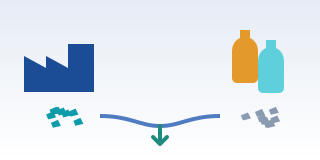
PIR vs PCR
ISO 14021 definitions, sources, contamination risk and how to state recycled content honestly.
Read more →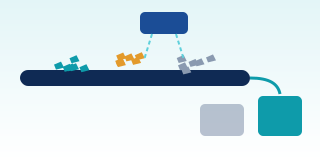
Sorting & preparation
Sorting by polymer, colour and contaminant; grinding, washing and float–sink before extrusion.
Read more →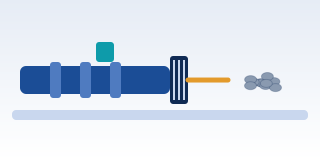
From flakes to pellets & lot QC
Degassing, melt filtration, pelletising, lot control and the properties checked on every lot.
Read more →